
How Restaurants Can Compete Without Discounts Using Visual Content
n today's food and beverage market, many restaurants rely on discounts to attract customers. While promotions may increase short-term traffic, they often weaken brand perception and reduce long-term profitability. High-performing restaurants take a different approach. Instead of lowering prices, they elevate perception — using strong visual content to communicate quality, atmosphere, and experience. In a city like Bangkok, where diners are visually driven and highly selective, professional photography and video can outperform discounts every time.
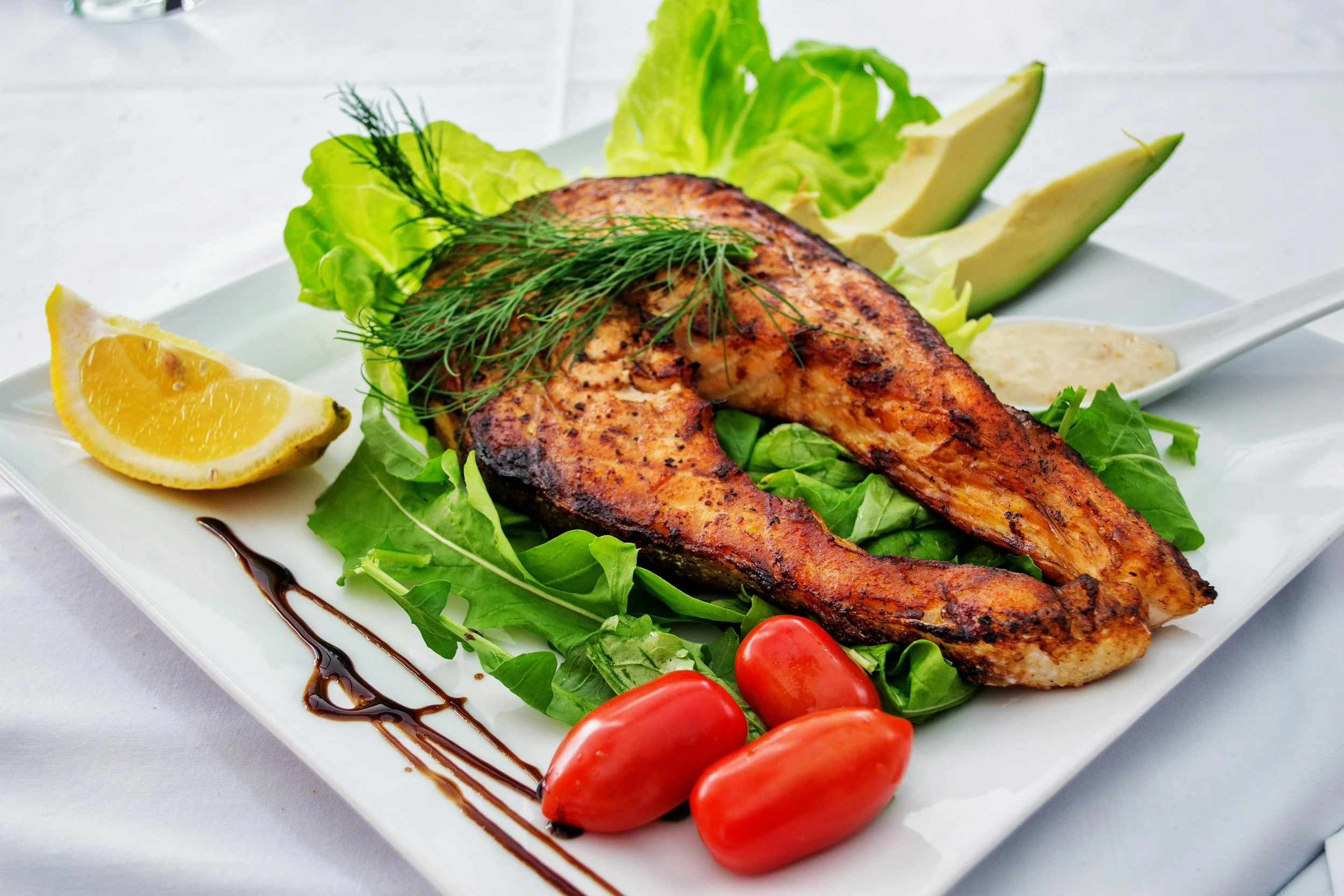
When a restaurant depends on discounts, customers are trained to wait for the next promotion. When a restaurant invests in premium visuals, customers are trained to expect quality, consistency, experience, and credibility. Professional food and lifestyle imagery positions a restaurant as desirable, not discounted. This shift changes how customers perceive value before they ever check the price.
Most customers discover restaurants online — through social media, Google, food platforms, and websites. Before reading reviews or menus, they evaluate food presentation, interior atmosphere, lighting and mood, crowd energy, and brand consistency. If the visuals feel premium, customers assume the experience is premium. If the visuals feel average, even great food struggles to stand out.
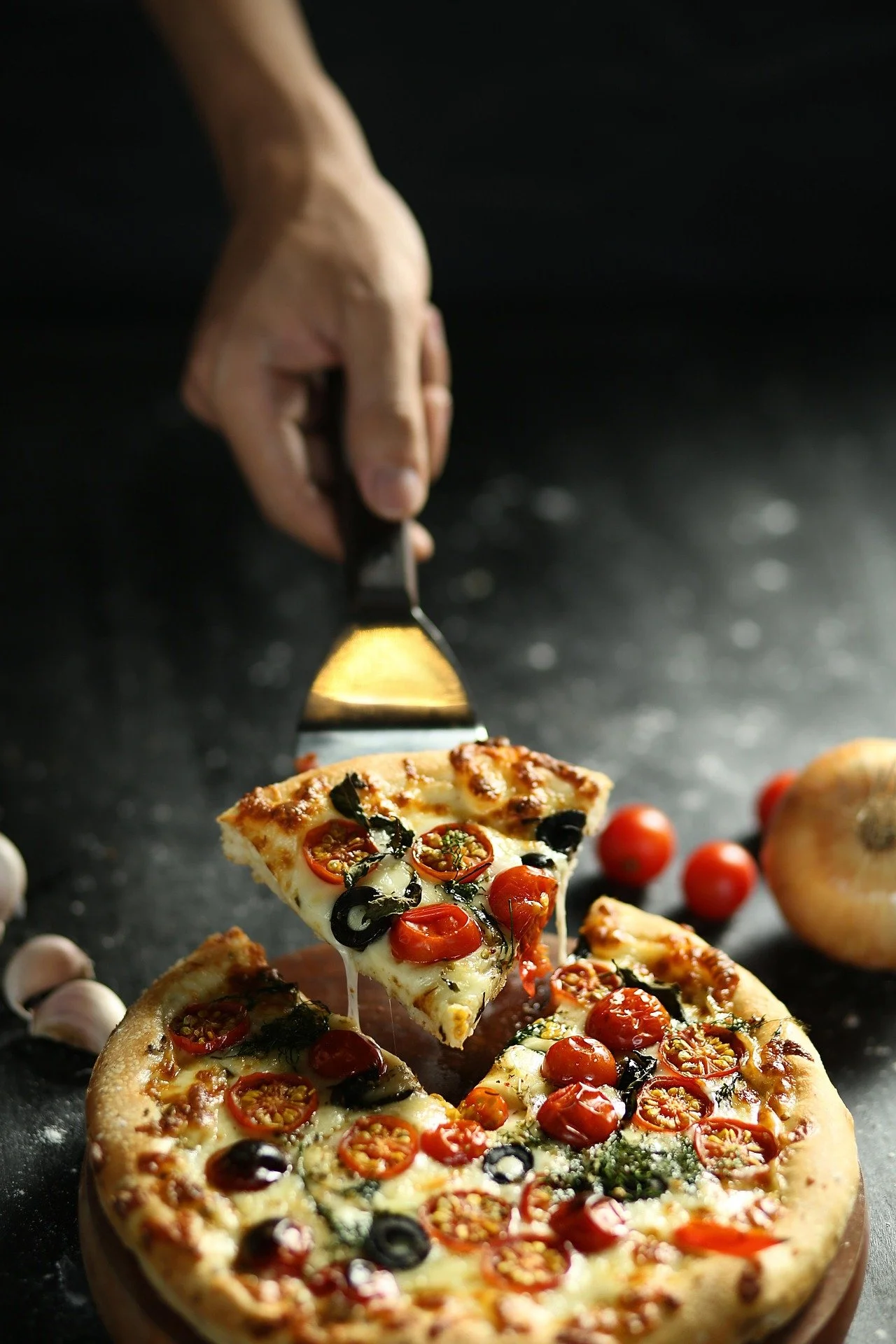
Single food photos are no longer enough. Modern restaurant content focuses on visual storytelling, including chef at work, ingredient preparation, plating details, customer interactions, interior ambiance, and nighttime vs daytime mood. This type of content allows potential diners to imagine themselves inside the restaurant — creating emotional connection before the visit.
Strong photography and videography influence pricing psychology. When customers see clean composition, rich textures, intentional lighting, and thoughtful framing, they associate the restaurant with craftsmanship, attention to detail, and professionalism. This allows restaurants to maintain or even raise prices — without resistance — because perceived value matches the cost.
Bangkok is one of the most competitive food cities in the region. Every neighborhood is filled with new openings, trend-driven concepts, influencer-backed venues, and visually bold competitors. Restaurants that rely only on taste risk being invisible online. Those that invest in strong visuals become recognizable — even to customers who haven't visited yet.
High-performing restaurants maintain visual consistency across Instagram and social platforms, Google business profiles, food delivery apps, and websites and booking platforms. Consistent lighting, tone, and composition create a recognizable brand presence — making the restaurant easier to remember and recommend. This consistency is rarely achieved with casual or one-off content.
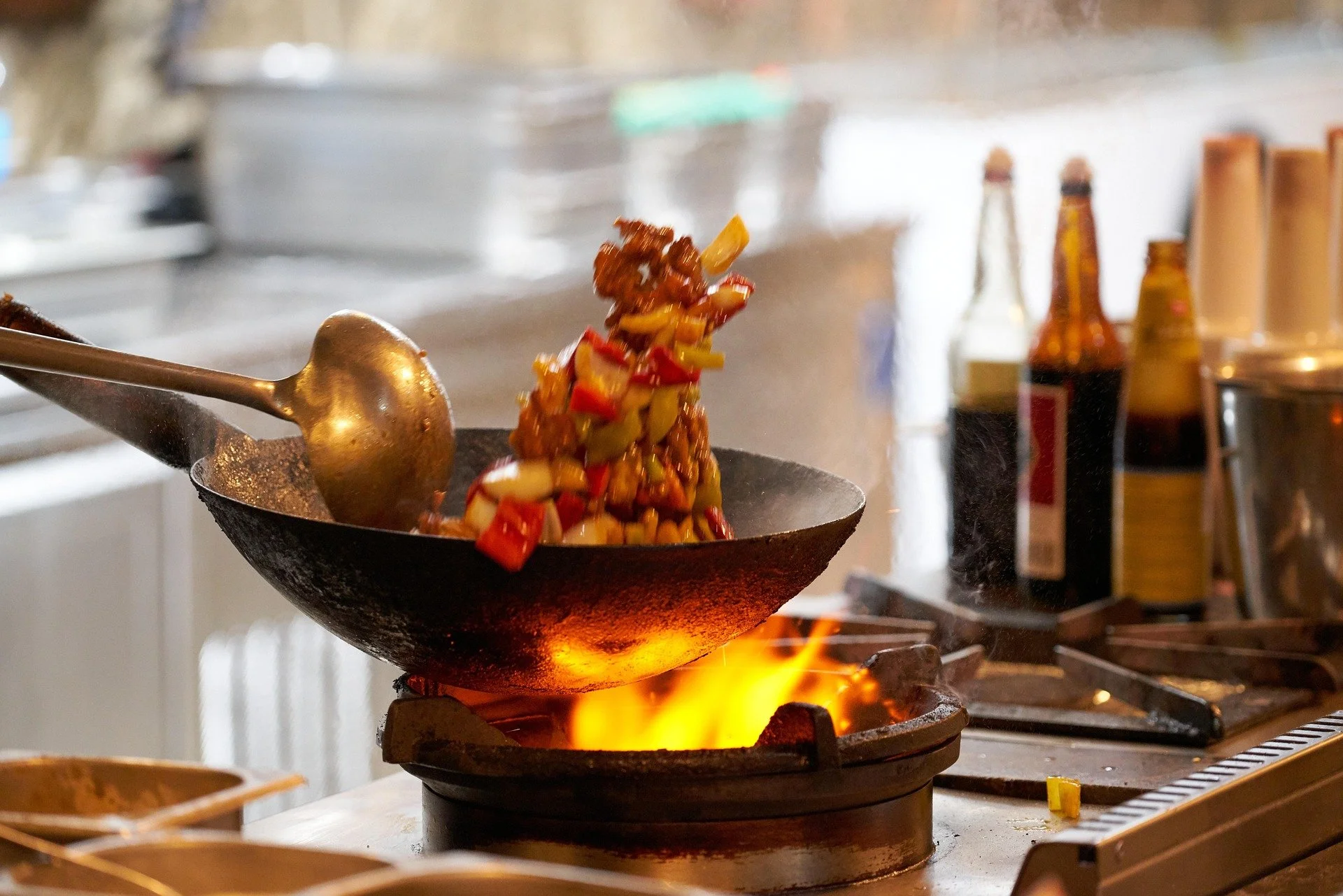
Short-form video has become one of the most powerful tools in food marketing. Well-produced restaurant videos can showcase sizzling sounds, slow pours, kitchen motion, dining atmosphere, and nightlife energy. Video captures emotion that still images cannot — helping restaurants compete for attention without relying on price-based tactics. Discounts disappear once they end. Content continues working.