
Why Customers Accept Premium Pricing When Visuals Feel Expensive
Many businesses assume customers reject higher prices because they are "too expensive." In reality, customers often reject prices because the brand doesn't look like it's worth paying more for. Pricing acceptance is not only logical — it is psychological. And visuals play a critical role in how price feels before it is evaluated.
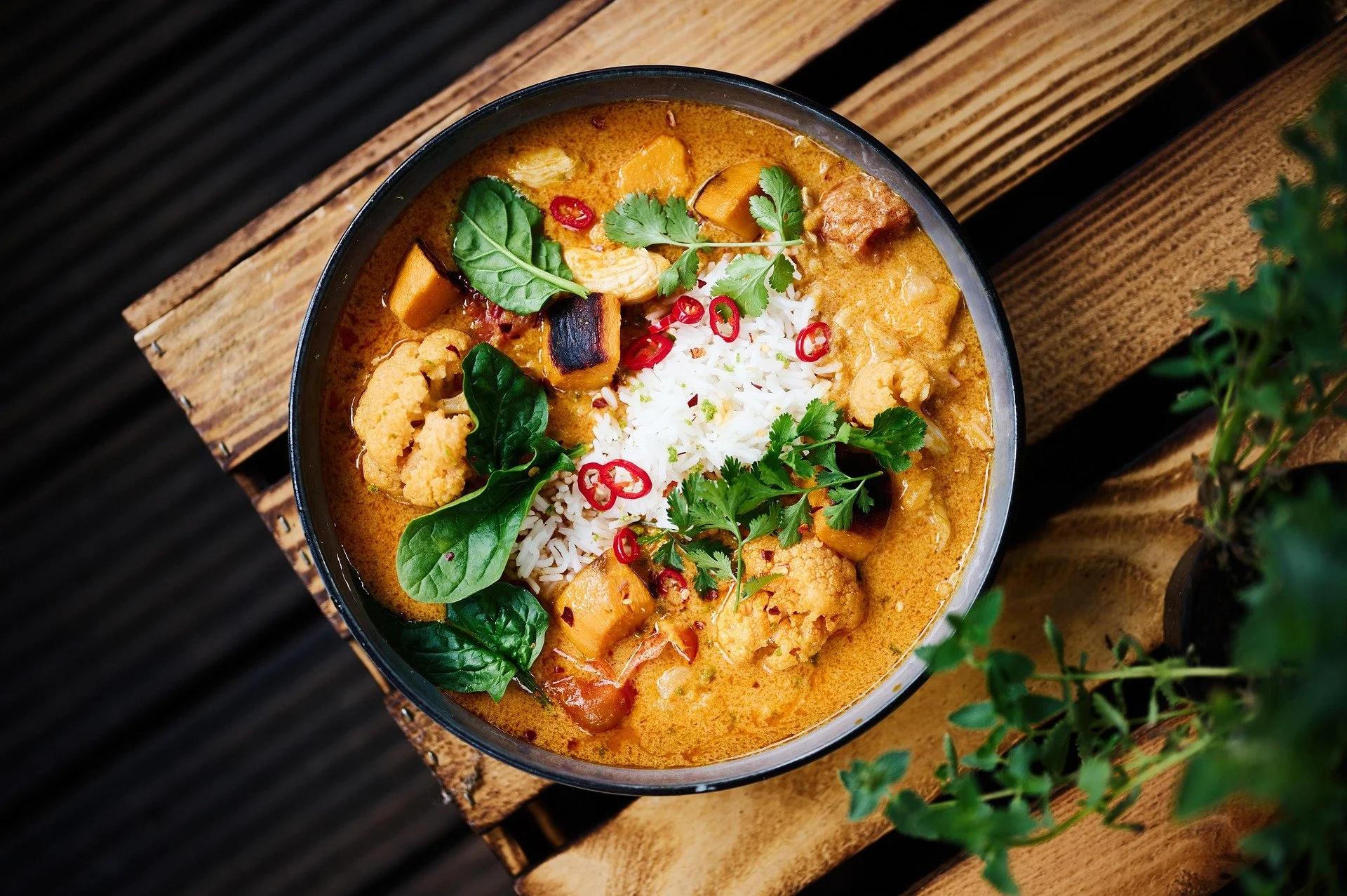
When customers see a brand for the first time, their brain asks one silent question: "Does this feel premium?" This happens before price comparison, feature analysis, or rational justification. If visuals signal quality, customers begin justifying the price. If visuals feel cheap or inconsistent, price resistance forms immediately. Behavioral economics explains that people evaluate price using reference points. Professional visuals establish a higher reference point by signaling expertise, scale, experience, and operational maturity. When visuals feel expensive, the brain subconsciously expects higher pricing — and accepts it more easily.
A common mistake businesses make is upgrading services without upgrading presentation. This creates a mismatch: premium service, average visuals. Psychologically, customers trust what they see more than what they're told. Even if quality is high, visuals that feel unpolished lower perceived value, increase price sensitivity, and trigger negotiation behavior.

Lighting is one of the strongest value signals. High-quality lighting communicates professional investment, attention to detail, and brand seriousness. Poor lighting suggests low effort, inexperience, and cost-cutting. This is why product photography, interior photography, and food visuals directly affect what customers believe something should cost.
Luxury is not defined by the product — it is defined by perception. Even mid-range brands can command higher prices when visuals are consistent, styling feels intentional, and composition reflects control and clarity. Customers don't pay more for "luxury." They pay more for confidence and reassurance.
Premium pricing requires visual consistency across website, social media, Google business listings, and marketing materials. Consistency tells the brain: "This business knows who it is." Inconsistent visuals create doubt — and doubt makes customers push back on price.
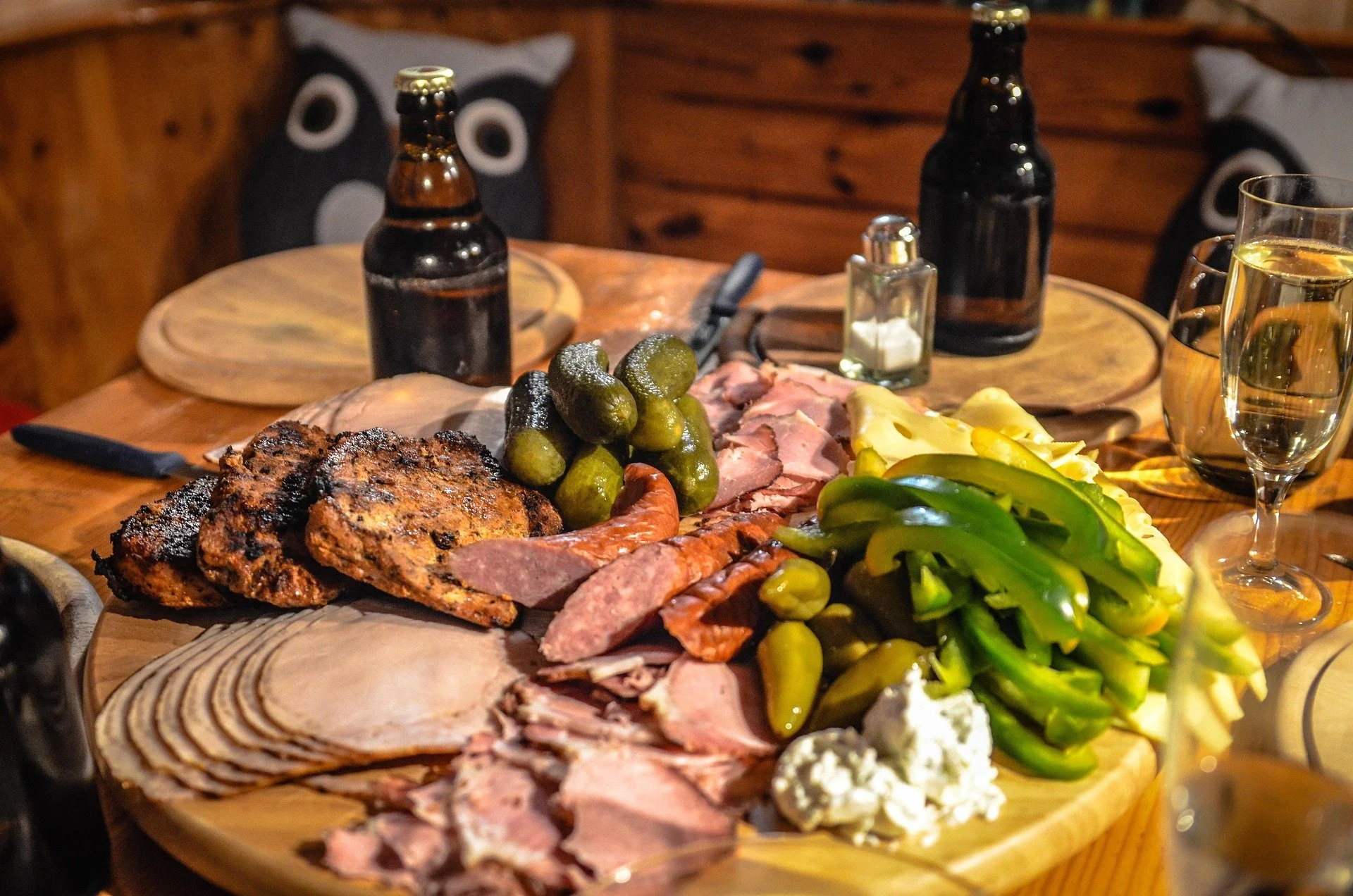
Bangkok is visually competitive. Customers are exposed daily to international hotel standards, global restaurant branding, high-end retail environments, and influencer-quality content. As a result, visual standards directly influence price expectations, willingness to upgrade, and brand comparison behavior. Professional visuals are no longer a differentiator — they are the minimum requirement to justify pricing.
Video communicates scale, professionalism, and effort instantly. Brand films, behind-the-scenes footage, and event coverage show operational depth, team coordination, and real-world presence. This reduces the need to explain pricing — customers see why it costs more.
Businesses lose margin when they constantly explain or defend prices. Strong visuals reduce negotiation, attract aligned clients, and filter out price-only customers. When visuals feel premium, price discussions become smoother — or unnecessary.